
Gugen

Message

From the two people who founded Gugen, in their own words.

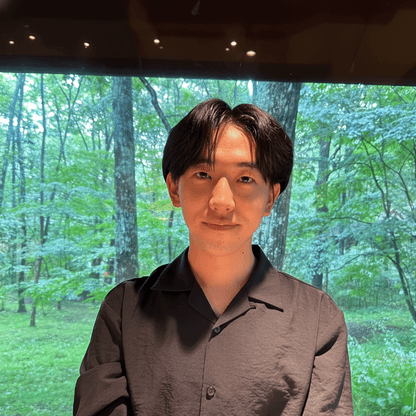
Taiki Mishima

Co-Founder / CEO

Taiki Mishima

Over the past few years, the conversation about AI has moved from whether it works to how to use it. The tools are already here. Even so, in many companies ideas still stall before they take shape — no one with the skills, no time, no one able to make the call. The reasons look much the same everywhere. We treat that not as a sign of the times but as a problem that design and process can solve.

I founded this company at this age because I could not find a reason to wait. The change underway now did not look like the kind you can catch up with after gaining experience first. There is a great deal we still lack, but some things are only visible from inside the change. So rather than learning first and starting later, we chose to learn while building.

Our name, Gugen, comes from the Japanese word for embodiment — giving form to what cannot yet be seen. People, organizations and society are not finished forms. Refine an idea, build it, learn from what happens, and begin again. We want to see how far that repetition takes us.

Inside the company, I want what people build to come back to them. Recording who did what, and connecting that record to how they are evaluated and paid. It sounds obvious, but doing it properly takes deliberate design. As we grow, this is not something I intend to put off.

A quick exit is not our goal. We would rather take the time to compound real value. Earn through implementation, turn what we learn into assets, develop people, and return it to research. The four businesses are designed to connect in that order.

The people building alongside me right now are students and those who have just entered the workforce. There are moments when hiring experience would be faster. We work with them anyway, because a place where people who are still growing can genuinely create value is, I believe, what a company will look like from here. Our vision is an era where everyone lives as a creator of the future. Founding the company was only the starting point.
Yukito Go

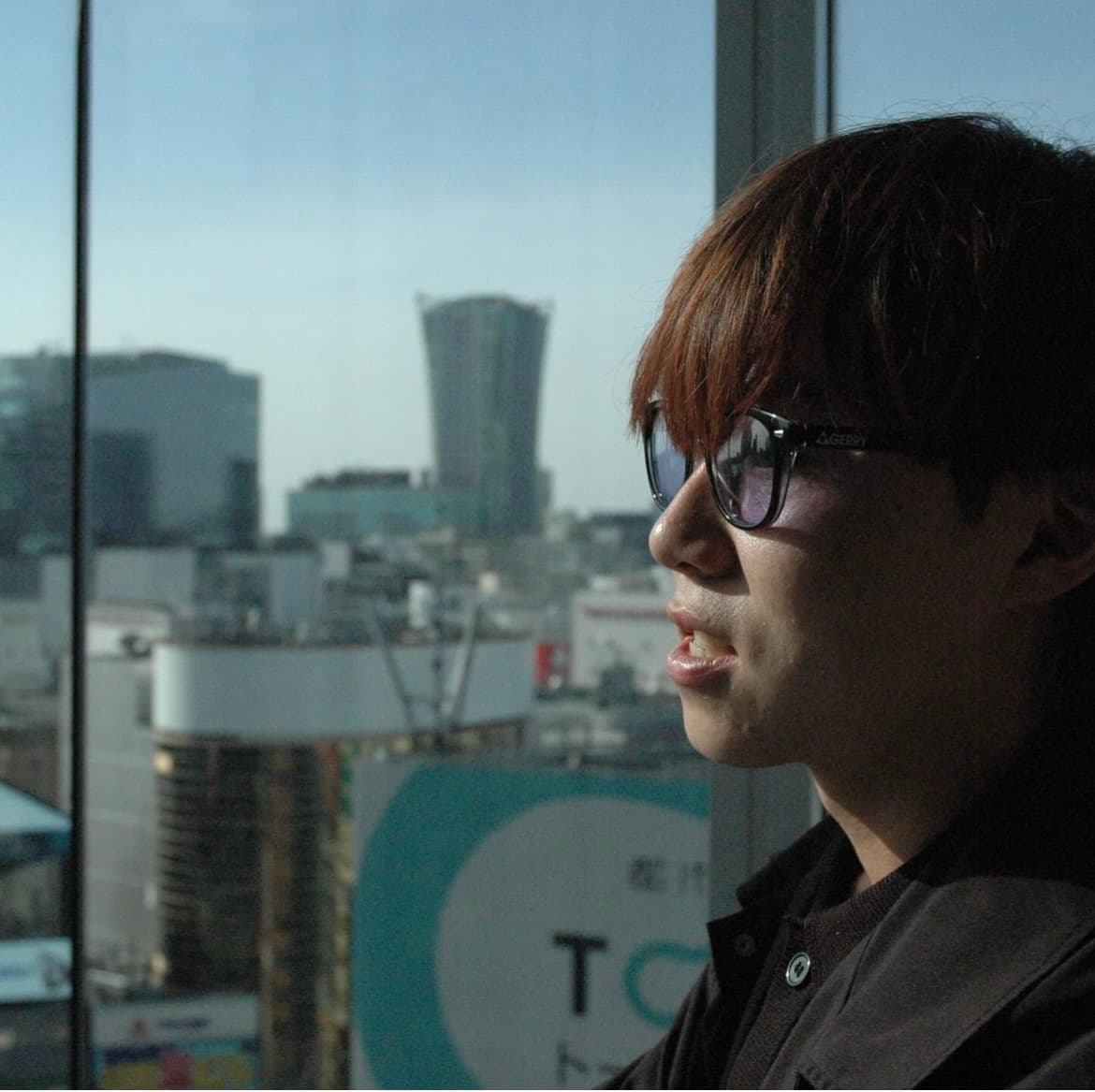
Representative Director / CTO

Yukito Go

I prefer to judge from something that runs. However well an idea is put together, there is not much you can verify until it moves. One rough working thing, on the other hand, teaches you a surprising amount. So we ship in the smallest form we can and refine it in the field, rather than perfecting something before releasing it.

The hardest part of implementing AI is not choosing a model. It is fitting it into how a company actually works. The same system becomes something people open every day, or something never opened again, depending on who enters what and in what order. That is why I get involved from the requirements stage. Deciding what not to automate takes longer than deciding what to automate.

Building and delivering one project at a time means starting from zero on the next one, and nothing accumulates in the company. We extract the patterns refined in bespoke work into a form anyone can use, and stack them up. Implementing AI so that the same quality is reproducible, without depending on particular individuals — that is my job on the technical side.

We do not separate research from business for the same reason. When a person works with AI, what is left in their judgment and their skill? We do not have an answer yet, and we have no efficacy data. Even so, I want to be careful about accelerating implementation without checking that.

The more people who can build, the more the world can try. There is a limit to what one company can make, but no limit to how far a way of making can spread. I want to get there together with the people who actually build.

Next

See how our four businesses connect, and who is building them.

Back to About